
Advanced Eye Care & Eye Disease Assessment in the Sutherland Shire
Glassery Optometry provides comprehensive clinical eye examinations and eye disease assessment from our Woolooware practice, serving patients throughout the Sutherland Shire.
Our optometrists assess more than your glasses prescription. A comprehensive examination considers both how clearly you can see and the health of your eyes.
Depending on your symptoms, medical history, risk factors and clinical findings, assessment may include:
- retinal and macular examination
- optic nerve assessment
- eye pressure measurement
- slit-lamp biomicroscopy
- digital retinal imaging
- visual field testing
- cataract assessment
- dry eye and meibomian gland assessment
- dilated retinal examination where clinically indicated
- further investigation of unexplained changes in vision
Patients can also attend for concerns including flashes and floaters, persistent blurred vision, red or painful eyes, glare, light sensitivity, sudden changes in vision or concerns relating to glaucoma, cataracts, diabetes or retinal health.
Our optometrists are therapeutically endorsed, allowing them to assess and manage a range of eye conditions and, where clinically appropriate, prescribe approved ocular medicines within their scope of practice.
Where specialist medical, surgical or hospital assessment is required, an appropriate referral can be arranged.
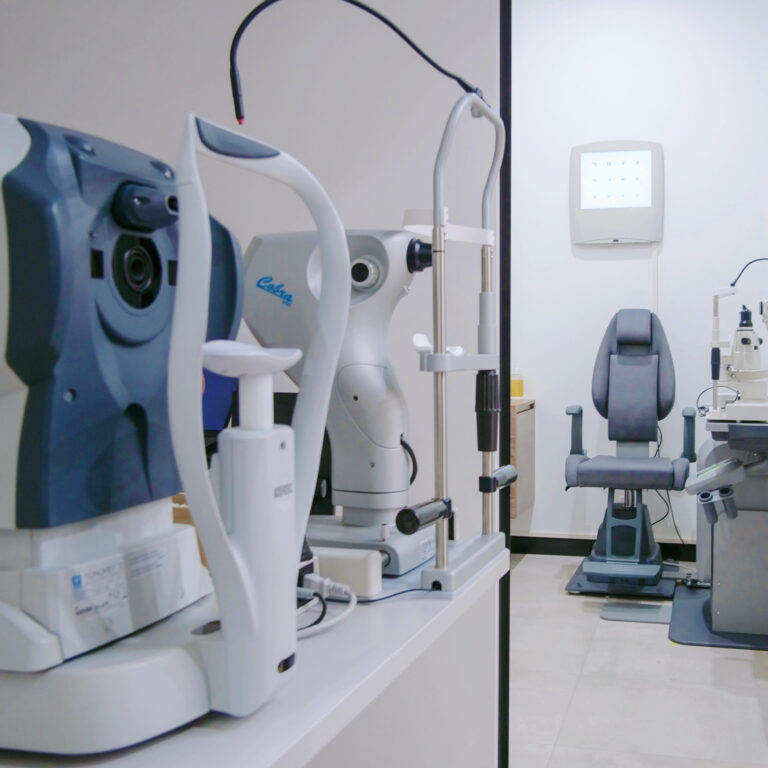
Eye Disease Assessment
Glaucoma Screening & Monitoring
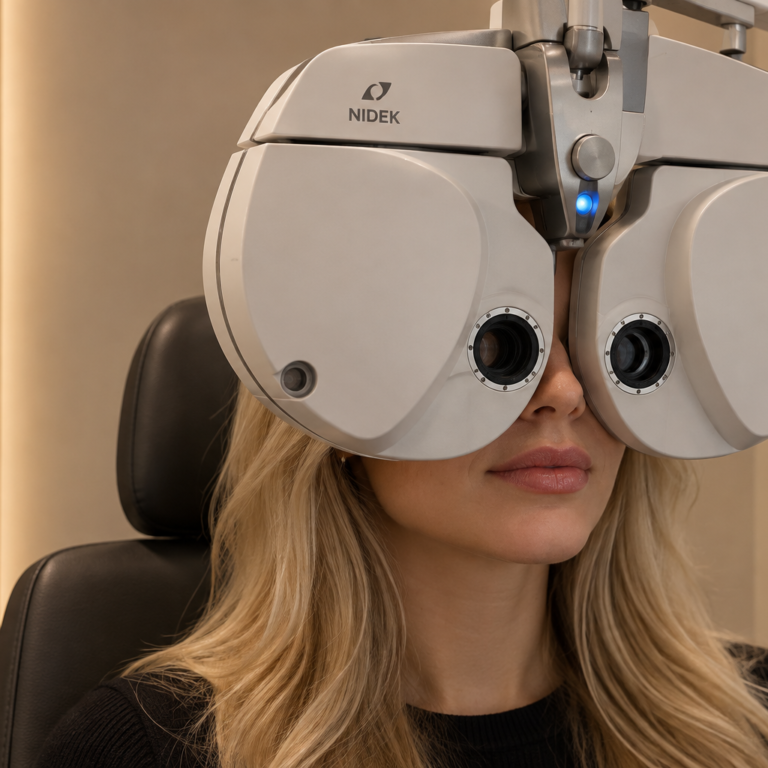
Glaucoma is a group of eye conditions that can progressively damage the optic nerve and may develop without noticeable symptoms in its earlier stages.
Glaucoma assessment may include:
- eye pressure measurement
- optic nerve examination
- retinal imaging
- visual field testing
- assessment of relevant risk factors
- comparison with previous findings
Patients with risk factors such as family history, increasing age, elevated eye pressure or suspicious optic nerve findings may require closer monitoring.
Where findings indicate that specialist assessment or treatment is required, ophthalmology referral can be arranged.
Cataract Assessment & Monitoring
A cataract is a clouding of the natural crystalline lens inside the eye.
Cataracts may gradually cause:
- blurred vision
- increased glare
- reduced contrast
- difficulty driving at night
- changing glasses prescriptions
Glassery Optometry is equipped with a NIDEK SL-1800 slit-lamp biomicroscope, allowing our optometrists to directly examine the crystalline lens and assess changes consistent with cataract.
Where clinically appropriate, examination may also include pupil dilation, direct or indirect examination of the eye, Crystalline lens and retinal assessment.
Cataracts can be monitored over time by comparing vision, prescription, slit-lamp findings and symptoms.
When cataracts begin to significantly affect everyday vision, appropriate ophthalmology referral can be arranged.
Retinal & Macular Health Assessment
The retina lines the inside of the eye, while the macula is responsible for detailed central vision.
Our optometrists assess the retina, macula and optic nerve as part of appropriate comprehensive eye care.
Depending on your symptoms and findings, assessment may include:
- clinical retinal examination
- digital retinal photography
- macular assessment
- optic nerve assessment
- dilated retinal examination
- peripheral retinal assessment where indicated
Glassery Optometry uses a CSO COBRA HD digital retinal imaging system to photograph and document the retina, macula and optic nerve.
Digital images can assist with documenting findings and comparing changes between examinations.
Diabetic Eye Examinations
Diabetes can affect the small blood vessels within the retina, sometimes before noticeable changes in vision occur.
Our diabetic eye examinations may include:
- visual acuity and prescription assessment
- retinal and macular examination
- CSO COBRA HD digital retinal imaging
- optic nerve assessment
- eye pressure measurement
- pupil dilation where clinically indicated
Retinal images can provide a record for comparison over time and assist our optometrists in identifying visible diabetes-related retinal changes.
Where significant diabetic retinopathy or macular changes are identified, appropriate ophthalmology referral can be arranged.
Assessment of New Eye Symptoms
Flashes, Floaters & Sudden Vision Changes
flashes of light, a sudden increase in floaters, a curtain or shadow across the vision or another sudden visual change should be assessed promptly.
Our optometrists can perform a detailed retinal examination and, where clinically appropriate, dilate the pupils to assess the peripheral retina.
These symptoms can have several causes, including posterior vitreous changes, retinal tears and retinal detachment.
Where urgent specialist assessment or treatment is required, ophthalmology or hospital referral can be arranged.
Red or Painful Eyes
A red, irritated or painful eye can have many possible causes, ranging from ocular surface irritation to infection, inflammation or other conditions requiring treatment.
Our therapeutically endorsed optometrists can assess the likely cause and, where clinically appropriate, prescribe ocular medicines within their scope of practice.
More serious presentations may require ophthalmology or hospital referral.
Blurred Vision, Glare & Light Sensitivity
Blurred vision, glare or unusual sensitivity to light may sometimes result from a changing glasses prescription.
However, these symptoms can also occur with conditions affecting the:
- cornea
- crystalline lens
- retina
- macula
- optic nerve
- ocular surface
A comprehensive examination allows our optometrists to assess both your vision and eye health and determine whether further investigation is required.
Children’s Eye Care & Myopia
Children’s Eye Examinations
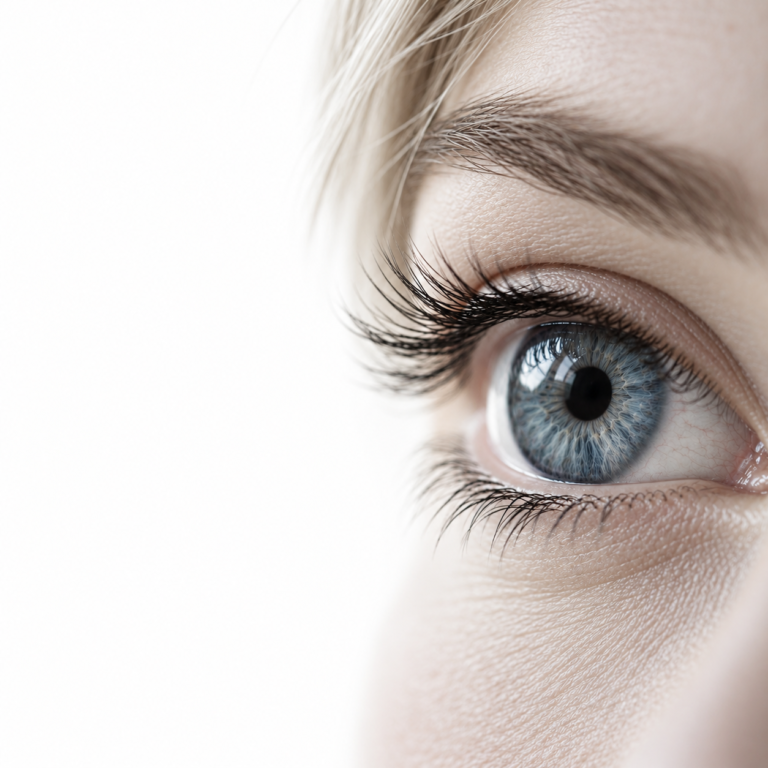
Children do not always recognise or communicate that they are having difficulty seeing.
Our children’s eye examinations may assess:
- distance and near vision
- refractive prescription
- focusing ability
- binocular vision
- eye coordination
- ocular health
Where a visual problem is identified, our optometrists can discuss appropriate management and monitoring.
Myopia Management
Myopia, or short-sightedness, commonly develops during childhood and may progress as the eyes grow.
Our optometrists assess myopia progression and discuss appropriate management based on factors including:
- age
- prescription
- rate of progression
- family history
- eye health
- lifestyle
- individual suitability
Alongside the recommended management plan, regular monitoring is important because higher levels of myopia are associated with an increased lifetime risk of several eye conditions.
Dry Eye & Meibomian Gland Assessment
Dry eye can cause symptoms including:
- burning or stinging
- grittiness
- irritation
- watery eyes
- redness
- fluctuating vision
- tired or uncomfortable eyes
- contact lens discomfort
Dry eye can have several underlying causes.
One common contributor is meibomian gland dysfunction (MGD).
The meibomian glands are located within the eyelids and produce the oily component of the tear film. This oily layer helps reduce evaporation of tears from the surface of the eye.
When the meibomian glands do not function normally, the tear film may become less stable and evaporate more quickly, contributing to evaporative dry eye.
At Glassery Optometry, dry eye assessment may include examination of the:
- eyelids
- eyelid margins
- meibomian glands
- tear film
- cornea
- conjunctiva
- overall ocular surface
Our CSO COBRA HD can also perform non-invasive meibography, allowing our optometrists to image the meibomian glands within the eyelids.
Meibography can assist with assessing:
- meibomian gland structure
- areas of gland loss or dropout
- differences between the upper and lower eyelids
- structural changes associated with meibomian gland dysfunction
- findings that may be useful for future comparison
The COBRA HD uses infrared imaging to visualise meibomian gland structure.
Meibography is not used as a standalone diagnosis. The images are interpreted together with your symptoms, tear-film findings, eyelid examination and other clinical findings when assessing for MGD and dry eye.
Treatment recommendations are then based on the individual cause and severity of the condition.
Advanced Eye Care Technology at Glassery Optometry
Glassery Optometry has diagnostic equipment available to support comprehensive eye-health assessment and monitoring.
Testing is selected according to the individual patient’s symptoms, medical history, risk factors and clinical findings.

NIDEK SL-1800 Slit-Lamp Biomicroscope
Our NIDEK SL-1800 slit-lamp biomicroscope provides a magnified, illuminated view of structures at the front of the eye.
It allows our optometrists to examine structures including the:
- eyelids
- conjunctiva
- cornea
- anterior chamber
- iris
- crystalline lens
Slit-lamp examination can assist with assessment of cataract, corneal abnormalities, ocular inflammation, dry eye and other anterior-eye conditions.
CSO COBRA HD Retinal Imaging & Meibography
Our CSO COBRA HD provides two particularly useful imaging functions within our practice.
Digital Retinal Imaging
The system can photograph the:
- retina
- macula
- optic nerve
- retinal blood vessels
These images may assist with:
- documenting retinal findings
- comparing findings over time
- diabetic retinal assessment
- macular assessment
- optic nerve assessment
- explaining findings to patients
Meibomian Gland Imaging
The COBRA HD also provides meibography, using infrared imaging to visualise the meibomian glands within the eyelids.
This can help our optometrists document gland structure and areas of gland loss or dropout when assessing meibomian gland dysfunction and evaporative dry eye.
Meibography is interpreted alongside the remainder of the dry-eye examination.
Visual Field Testing
Visual field testing assesses areas of central and peripheral vision. At Glassery Optometry, we use the Henson 9000 Visual Field Analyser, designed for accurate and efficient detection and monitoring of visual-field changes.
It may be recommended when investigating or monitoring:
- glaucoma
- optic nerve abnormalities
- unexplained visual-field loss
- certain retinal or neurological concerns
The Henson 9000 offers advanced screening and threshold testing, including detailed central-field assessment and progression analysis to help monitor changes over time. Results are interpreted alongside the rest of your clinical examination rather than in isolation.
Eye Pressure Assessment
Eye pressure measurement is an important part of glaucoma risk assessment. At Glassery Optometry, we use an advanced NIDEK non-contact tonometer to measure intraocular pressure quickly, accurately and without touching the surface of the eye.
The test is non-invasive and designed for maximum patient comfort. Eye pressure is interpreted alongside optic nerve appearance, visual-field findings, family history, age and previous results, as pressure alone does not determine whether glaucoma is present.
Dilated Retinal Examination
Dilating eye drops enlarge the pupil and can provide a wider view of the retina.
Dilation may be recommended where clinically appropriate, particularly for:
- flashes or floaters
- peripheral retinal concerns
- diabetic retinal assessment
- unexplained changes in vision
- certain retinal or macular findings
Your optometrist will explain why dilation is recommended and any temporary effects before the drops are administered.
Meet Our Optometrists
Every clinical eye examination at Glassery Optometry is performed by a senior qualified optometrist.
Our therapeutically endorsed optometrists provide care across comprehensive eye examinations, ocular health assessment, prescription management and the assessment of common eye conditions.
Where a condition requires specialist medical, surgical or hospital care, appropriate referral can be arranged.
Advanced Eye Care in the Sutherland Shire
Glassery Optometry is an independent optometry practice located in Woolooware, in the heart of the Sutherland Shire.
We provide comprehensive and advanced eye care for patients from:
- Woolooware
- Cronulla
- Caringbah
- Caringbah South
- Miranda
- Gymea
- Kirrawee
- Sutherland
- Jannali
- Sylvania
- Taren Point
- surrounding areas of the Sutherland Shire
Whether you require a routine eye examination, monitoring of an existing eye condition or assessment of a new symptom, our optometrists can assess your vision and eye health and advise on the appropriate next step.
Frequently Asked Questions
Optometrists can identify signs and risk factors associated with many eye conditions and determine whether monitoring, treatment within optometric scope or specialist referral is appropriate.
Yes. Glaucoma assessment may include eye pressure measurement, optic nerve examination, retinal imaging and visual field testing where clinically indicated.
Yes. Our optometrists can directly examine the crystalline lens using slit-lamp biomicroscopy, monitor cataract changes and arrange ophthalmology referral where appropriate.
Yes. Retinal assessment may include clinical retinal examination, CSO COBRA HD digital retinal imaging and dilated retinal examination where clinically indicated.
Yes. Our optometrists provide diabetic eye examinations and retinal assessment and can arrange ophthalmology referral where significant diabetic retinal findings are identified.
Yes. Our optometrists can perform full dry eye assessments including assessing the eyelids, tear film, ocular surface and meibomian glands.
Our CSO COBRA HD meibography system can also provide infrared images of the meibomian glands to assist with assessment of gland structure and dropout.
These findings are interpreted as part of the overall dry-eye examination rather than as a standalone diagnostic test.
Our therapeutically endorsed optometrists can prescribe approved ocular medicines for appropriate conditions within their professional scope of practice.
Have a Concern About Your Eyes?
If you notice a change in your vision, a red or uncomfortable eye or another new eye concern, call Glassery Optometry on (02) 8044 3360.
Same-day appointments may be available.
Seek urgent medical care — call 000 or attend your nearest hospital emergency department — if you experience:
- sudden vision loss or a sudden change in vision
- severe eye pain
- a sudden increase in flashes or floaters
- a curtain or shadow across your vision
- sudden double vision
- severe light sensitivity associated with pain or vision change
- serious eye injury or chemical injury
- eye or vision symptoms associated with severe headache, slurred speech, weakness, nausea or vomiting
Not sure what level of care you need? Call healthdirect on 1800 022 222.
Clinically Reviewed
Clinically reviewed by: Glassery Optometry’s therapeutically endorsed optometrists
Last reviewed: September 2026
General information only. This page does not replace an individual eye examination, diagnosis or medical advice.