
Cataract Assessment & Monitoring
A cataract is a clouding of the natural crystalline lens inside the eye. The lens normally helps focus light onto the retina so that vision remains clear. As the lens becomes cloudy, light is scattered and vision can gradually become blurred, hazy or affected by glare.
Cataracts become increasingly common with age, although they may also be associated with factors including diabetes, smoking, ultraviolet exposure, previous eye injury, previous eye surgery and certain medications.
Glassery Optometry provides cataract assessment and monitoring from our Woolooware clinic, serving patients throughout the Sutherland Shire.
Our optometrists can directly examine the crystalline lens, assess how cataract changes are affecting your vision, monitor findings over time and assess the health of the retina and other structures within the eye.
Where cataract is significantly affecting vision or everyday activities, we can arrange appropriate referral to an ophthalmologist for further assessment.
What Is a Cataract?
The natural crystalline lens sits behind the iris, the coloured part of the eye.
In a healthy eye, this lens is transparent and allows light to pass through to the retina.
A cataract develops when areas of the lens become increasingly cloudy or opaque. As this occurs, light may be scattered before reaching the retina, reducing the quality of vision.
Cataracts usually develop gradually. Some people initially notice very little change, while others may develop increasing glare, blurred vision or more frequent changes in glasses prescription.
The rate of progression varies considerably between individuals.
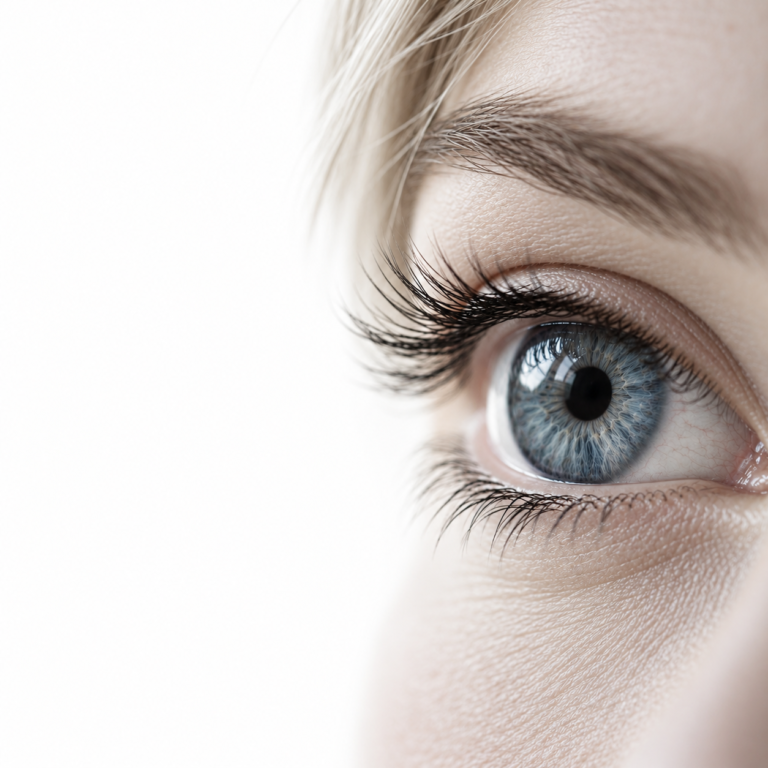
Symptoms of Cataracts
Symptoms may include:
- blurred or cloudy vision
- increased glare
- halos around lights
- difficulty driving at night
- headlights appearing excessively bright
- reduced contrast
- colours appearing less vivid
- needing brighter light for reading
- frequent changes in glasses prescription
- increasing short-sightedness
- reduced distance or near vision
- double vision in one eye in some cases
These symptoms are not specific to cataracts.
Conditions affecting the retina, macula, optic nerve, cornea or ocular surface can also cause changes in vision.
For this reason, a comprehensive eye examination is important rather than assuming blurred vision or glare is caused by cataract alone.
What Causes Cataracts?
Ageing is the most common cause of cataract.
Over time, changes occur within the proteins and structure of the natural lens, causing previously transparent areas to become cloudy.
Factors associated with an increased risk of cataract include:
- increasing age
- family history
- diabetes
- smoking
- prolonged ultraviolet exposure
- previous eye injury
- previous eye surgery
- some corticosteroid medications
- certain inflammatory eye conditions
Not everyone with these risk factors will develop a visually significant cataract.
How Glassery Optometry Assesses Cataracts
Cataract assessment involves more than checking whether your glasses prescription has changed.
At Glassery Optometry, our optometrists have several examination methods and diagnostic instruments available to assess the crystalline lens and the health of the rest of the eye.
Depending on your symptoms, history and clinical findings, assessment may include:
- distance and near visual acuity
- glasses prescription assessment
- slit-lamp biomicroscopy
- direct examination of the crystalline lens
- pupil assessment
- dilated examination where clinically indicated
- direct ophthalmoscopy
- indirect ophthalmoscopy and fundus examination
- retinal and macular assessment
- optic nerve assessment
- digital retinal photography
- photographic documentation where suitable
- eye pressure measurement
- comparison with previous findings
This allows our optometrists to consider the cataract itself, how it is affecting vision and whether another eye condition may also be contributing to symptoms.
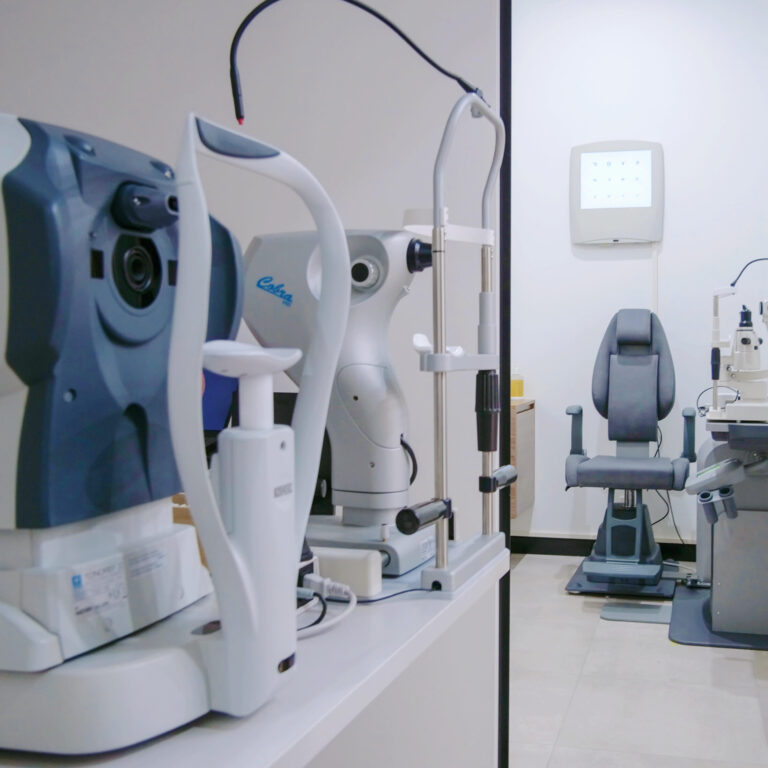
NIDEK SL-1800 Slit-Lamp Biomicroscopy
Glassery Optometry is equipped with a NIDEK SL-1800 slit-lamp biomicroscope.
Slit-lamp biomicroscopy is one of the main clinical methods used to examine cataracts.
The instrument provides a magnified, illuminated view of structures at the front of the eye, including the:
- cornea
- anterior chamber
- iris
- natural crystalline lens
This allows our optometrists to directly examine the lens for changes consistent with cataract.
Slit-lamp examination can assist in assessing:
- whether lens opacity is present
- which part of the lens is affected
- the appearance and relative density of the cataract
- whether one or both eyes are affected
- whether changes appear to have progressed compared with previous examinations
These findings are considered together with your vision, prescription, symptoms and overall eye-health examination.
Dilated Eye Examination
In some patients, our optometrists may recommend dilating the pupils with eye drops.
Dilation enlarges the pupil and can provide a wider view of both the crystalline lens and structures behind it.
This may assist examination of the:
- crystalline lens
- retina
- macula
- optic nerve
- peripheral retina where appropriate
This is important because reduced vision in someone with a cataract may not necessarily be caused entirely by the cataract.
Retinal disease, macular disease, glaucoma and other eye conditions can also affect vision.
Your optometrist will determine whether dilation is clinically appropriate and explain the temporary effects of the drops before they are used.
Direct & Indirect Examination
Our optometrists can also use direct and indirect ophthalmoscopy, together with slit-lamp examination, to assess structures inside the eye.
These methods can assist with examination of the:
- ocular media
- red reflex
- retina
- macula
- optic nerve
- peripheral retina where appropriate
A denser cataract can sometimes make examination of the retina more difficult because the cloudy lens reduces the clarity of the view into the eye.
For this reason, examining both the cataract and the health of the structures behind it forms an important part of a comprehensive assessment.
Digital Imaging With Our CSO COBRA HD
Glassery Optometry is also equipped with a CSO COBRA HD digital imaging system.
The COBRA HD allows our optometrists to obtain digital photographs of the retina and document findings for future comparison.
Digital imaging may assist with assessment of:
- retinal health
- macular appearance
- optic nerve appearance
- changes between examinations
- whether another retinal condition may be contributing to reduced vision
Where clinically useful and technically suitable, our imaging setup may also allow photographic documentation of visible anterior-segment or crystalline-lens changes.
Digital photographs can be useful for documenting findings, explaining them to patients and comparing changes over time.
A significant cataract can sometimes reduce the quality of retinal photographs because the cloudy lens interferes with light travelling through the eye.

How Are Cataracts Monitored?
Not every cataract requires immediate surgery.
If a cataract is mild and is not significantly affecting vision or daily activities, monitoring may be appropriate.
At Glassery Optometry, cataract monitoring can involve comparison of:
- visual acuity
- glasses prescription
- slit-lamp appearance
- location and appearance of the cataract
- symptoms
- glare
- night-driving difficulties
- retinal findings
- relevant photographs or imaging
- effect on reading, work and everyday activities
Comparing current findings with previous examinations helps our optometrists assess whether cataract changes appear relatively stable or are progressing.
The appropriate review interval depends on the individual patient and clinical findings.
Can Cataracts Be Prevented or Slowed Down?
There is no guaranteed way to prevent every cataract or completely stop an established age-related cataract from progressing.
There is also no established eye drop or supplement that reliably removes or reverses an existing cataract.
However, reducing recognised risk factors is sensible for maintaining long-term eye health.
Protect Your Eyes From UV Exposure
Long-term ultraviolet exposure is associated with cataract risk.
Good-quality sunglasses that provide appropriate UVA and UVB protection can help reduce exposure to ultraviolet radiation.
A broad-brimmed hat can provide additional protection outdoors.
Avoid Smoking
Smoking is associated with increased cataract risk.
Stopping smoking provides benefits for both general health and eye health.
Manage Diabetes
Diabetes is associated with an increased risk of cataract.
Appropriate management of diabetes and general health remains important.
People with diabetes also require appropriate retinal assessment because diabetes can affect the retina as well as the crystalline lens.
Protect Your Eyes From Injury
Eye trauma can cause a traumatic cataract.
Appropriate protective eyewear should be used when working with tools, machinery, chemicals or in other environments where eye injury may occur.
Discuss Long-Term Steroid Use With Your Doctor
Certain corticosteroid medications are associated with an increased risk of cataract.
Do not stop or alter prescribed medication yourself. If you are concerned about long-term corticosteroid use, discuss this with the healthcare practitioner managing your medication.
When Is Cataract Surgery Considered?
Having a cataract does not automatically mean surgery is required.
During earlier stages, an updated glasses prescription may sometimes improve vision.
Cataract surgery may be considered when the cataract causes enough visual difficulty to interfere with activities such as:
- driving
- night driving
- reading
- work
- recognising faces
- sport
- hobbies
- everyday tasks
Cataract surgery is performed by an ophthalmologist.
Glassery Optometry does not perform cataract surgery.
Our role is to assess and monitor cataracts, determine how they are affecting vision and eye health, and arrange appropriate ophthalmology referral where specialist assessment should be considered.
Cataract Assessment in the Sutherland Shire
Glassery Optometry is an independent optometry practice located in Woolooware, within the Sutherland Shire.
We provide cataract assessment and monitoring for patients from Woolooware and surrounding areas including:
- Cronulla
- Caringbah
- Caringbah South
- Miranda
- Gymea
- Kirrawee
- Sutherland
- Jannali
- Sylvania
- Taren Point
- Como
- Kareela
- surrounding Sutherland Shire suburbs
Our clinic is located at Bay Central, Woolooware NSW 2230, with on-site parking available.
Frequently Asked Questions About Cataracts
Yes. An optometrist can directly examine the natural crystalline lens and identify changes consistent with cataract.
At Glassery Optometry, our optometrists use equipment including our NIDEK SL-1800 slit-lamp biomicroscope to examine the lens.
Yes. Cataracts can be monitored by comparing vision, glasses prescription, slit-lamp findings, symptoms and other relevant examination findings over time.
Not always.
Many cataracts can be identified using slit-lamp examination through the natural pupil.
Dilation may be recommended when a wider examination of the crystalline lens or retina is clinically useful.
Where clinically useful and technically suitable, visible lens changes may be photographically documented.
Glassery Optometry also uses a CSO COBRA HD digital imaging system to document retinal health and assist with assessment of structures behind the cataract.
Sometimes.
If cataract changes have altered the glasses prescription, an updated prescription may improve vision during the earlier stages.
As the cataract becomes more significant, glasses may no longer provide satisfactory improvement.
No.
Many mild cataracts can be monitored.
Surgery is generally considered when cataract is meaningfully affecting vision or daily activities, or when other clinical circumstances make specialist assessment appropriate.
Yes.
Where further specialist assessment is appropriate, our optometrist can arrange referral to an ophthalmologist.
Book a Cataract Assessment
If you have been told you have a cataract, or have noticed gradually worsening vision, increased glare, difficulty driving at night or frequent changes in glasses prescription, an eye examination can help determine whether cataract is contributing.
Glassery Optometry provides cataract assessment and monitoring from our Woolooware clinic, serving patients throughout the Sutherland Shire.
Our optometrists have access to:
- NIDEK SL-1800 slit-lamp biomicroscopy
- CSO COBRA HD digital imaging
- direct and indirect examination techniques
- dilated examination where clinically indicated
- retinal, macular and optic nerve assessment
Where specialist cataract assessment or surgery should be considered, an appropriate ophthalmology referral can be arranged.
Glassery Optometry
Bay Central
Shop 126/453A Captain Cook Drive
Woolooware NSW 2230
(02) 8044 3360
General information only. This page does not replace an individual eye examination, diagnosis or medical advice.