
Diabetic Eye Examinations in the Sutherland Shire
Diabetes can affect the eyes and vision in several ways, sometimes before you notice any symptoms.
Glassery Optometry provides comprehensive diabetic eye examinations and diabetic retinal assessment from our Woolooware clinic, serving patients throughout the Sutherland Shire.
Our optometrists assess your vision, prescription and retinal health for signs of diabetes-related eye disease. Findings can be documented and monitored over time, and appropriate referral to an ophthalmologist or other healthcare practitioner can be arranged when required.
Regular eye examinations are an important part of looking after your eye health when you have diabetes, even when your vision seems normal.
How Can Diabetes Affect Your Eyes?
Diabetes can affect the small blood vessels throughout the body, including those supplying the retina at the back of the eye.
Over time, changes to these retinal blood vessels can lead to diabetic retinopathy.
Diabetes can also affect vision in other ways. Changes in blood glucose levels can sometimes temporarily alter the focusing characteristics of the eye, causing blurred or fluctuating vision.
People with diabetes may also develop other eye conditions, including cataracts and diabetic macular oedema.
For this reason, a diabetic eye examination assesses more than your glasses prescription.
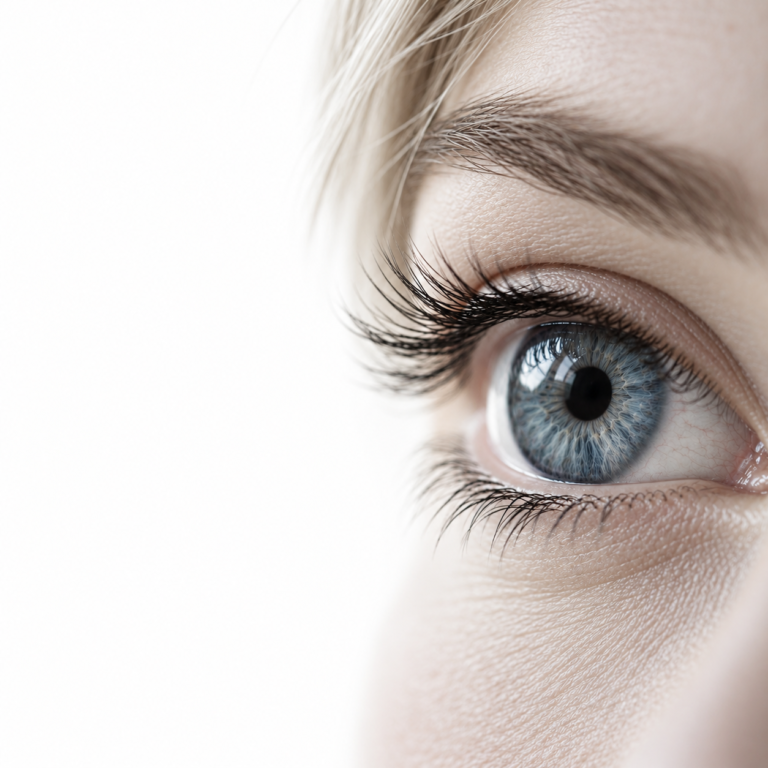
What Is Diabetic Retinopathy?
Diabetic retinopathy is an eye condition caused by diabetes-related damage to the small blood vessels within the retina.
During its earlier stages, diabetic retinopathy may cause no noticeable symptoms.
As retinal changes become more significant, blood vessels may leak fluid or blood. Changes can also affect the macula — the central part of the retina responsible for detailed vision.
More significant diabetic retinopathy may require assessment and treatment by an ophthalmologist.
Regular retinal examination is important because diabetes-related changes can be present even when vision still appears clear.
KeepSight similarly advises that diabetic retinopathy and other diabetes-related eye complications may develop without obvious symptoms, which is one reason regular diabetes eye checks are important.
Symptoms of Diabetic Eye Disease
Diabetic retinopathy may initially cause no symptoms.
When symptoms do occur, they may include:
- blurred or fluctuating vision
- distorted vision
- difficulty seeing fine detail
- dark, missing or blocked areas of vision
- new floaters
- increased sensitivity to glare
- reduced vision
These symptoms are not specific to diabetic retinopathy and can occur with many other eye conditions.
A change in vision should therefore be assessed rather than automatically attributed to diabetes or a changing glasses prescription.
Diabetic Eye Examination at Glassery Optometry
A diabetic eye examination assesses both your vision and the health of the structures inside your eyes.
Depending on your individual circumstances, diabetes history and clinical findings, your examination may include:
- distance and near vision assessment
- glasses prescription assessment
- slit-lamp examination of the front of the eye
- retinal examination
- macular assessment
- optic nerve assessment
- eye pressure measurement
- digital retinal photography
- dilated retinal examination where clinically indicated
- direct or indirect examination of the retina where appropriate
- discussion of your diabetes and relevant medical history
- comparison with previous clinical findings and retinal images
Your optometrist will determine which examinations are appropriate based on your individual findings and risk factors.
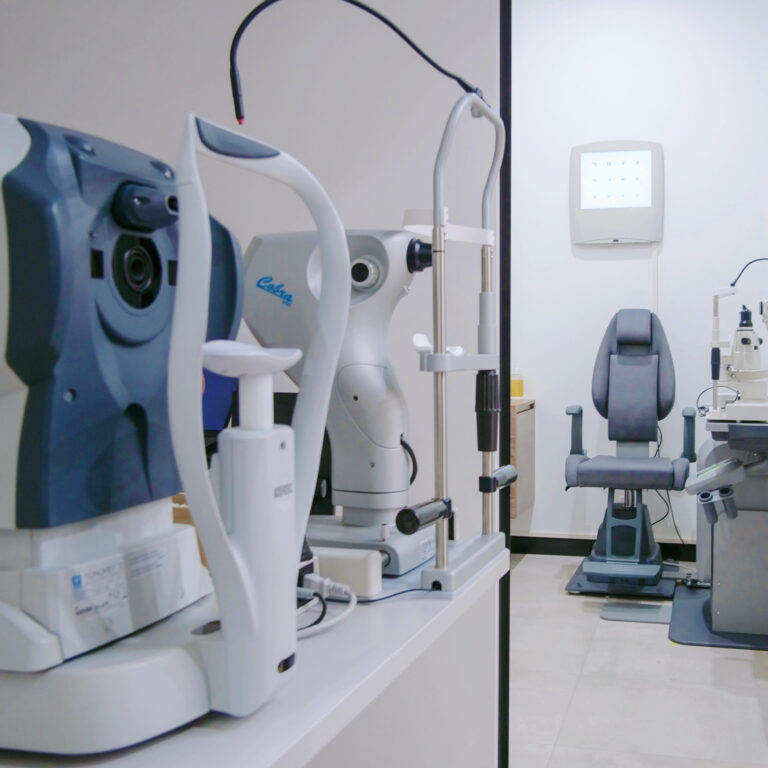
Diabetic Eye Examination: Clinical Assessment & Technology
Glassery Optometry has multiple examination methods available to assist our optometrists when assessing patients with diabetes.

CSO COBRA HD Digital Retinal Imaging
Glassery Optometry is equipped with a CSO COBRA HD digital fundus camera.
The COBRA HD captures detailed digital images of the ocular fundus — the structures at the back of the eye — including the:
- retinal blood vessels
- macula
- optic nerve
- surrounding retina
CSO describes the COBRA HD as a digital fundus camera designed to obtain detailed retinal images, with a field of view of up to approximately 50 degrees.
For patients with diabetes, retinal photography can assist our optometrists in documenting the appearance of the retina and comparing findings between examinations.
This can help with identifying and monitoring visible diabetes-related retinal changes over time.
Digital retinal photography is used alongside the clinical eye examination and does not replace other examination methods that may be required.
Slit-Lamp Biomicroscopy
Glassery Optometry is also equipped with a NIDEK SL-1800 slit-lamp biomicroscope.
The slit lamp allows a magnified examination of structures at the front of the eye.
For patients with diabetes, this can assist our optometrists in examining structures including the:
- cornea
- anterior chamber
- iris
- crystalline lens
This is relevant because people with diabetes can develop eye conditions in addition to diabetic retinopathy, including cataracts.
Dilated Retinal Examination
Your optometrist may also recommend dilating eye drops to provide a wider view of the retina.
Dilating the pupils can assist examination of areas that may not be as easily viewed through an undilated pupil.
Whether dilation is required depends on factors including:
- retinal findings
- symptoms
- diabetes history
- previous examination findings
- individual risk profile
Your optometrist will discuss dilation with you before administering the drops and explain any temporary effects or precautions that may apply afterwards.
Diabetic eye checks may involve pupil dilation and/or photography of the back of the eye.
Diabetes Can Affect Vision Without Diabetic Retinopathy
Blurred or changing vision in someone with diabetes does not necessarily mean diabetic retinopathy is present.
Changes in blood glucose can sometimes temporarily alter the focusing characteristics of the eye and cause the glasses prescription to fluctuate.
Other eye conditions can also occur independently.
A comprehensive examination allows your optometrist to assess whether changes in vision may relate to:
- your glasses prescription
- temporary focusing fluctuations
- cataract
- dry eye
- retinal changes
- macular changes
- another eye-health condition
This is particularly important if your vision has recently changed.
Diabetic Macular Oedema
The macula is the central area of the retina responsible for detailed vision.
Diabetes-related damage to retinal blood vessels can sometimes cause fluid to leak into or around the macula. This is known as diabetic macular oedema.
Macular involvement may affect central vision and can require assessment and urgent treatment by an ophthalmologist.
If our optometrists identify findings suggesting macular involvement or another significant diabetes-related retinal change, appropriate urgent referral can be arranged.
What Happens if Diabetic Retinopathy Is Detected?
The appropriate next step depends on the type and severity of the retinal findings.
Some patients may require continued monitoring, while others may need assessment by an ophthalmologist.
If our optometrists identify findings that require specialist investigation or treatment, we can arrange an appropriate referral and provide relevant examination information where required.
Glassery Optometry does not provide any laser, injection or surgical treatment for diabetic retinopathy.
Treatment for diabetic retinopathy and diabetic macular oedema is provided by ophthalmologists.
How Often Should People With Diabetes Have Their Eyes Checked?
People with diabetes should have regular comprehensive eye examinations even when their vision seems normal.
The appropriate review interval is not the same for everyone.
The recommended frequency can depend on factors including:
- type and duration of diabetes
- whether diabetic retinopathy is already present
- previous retinal findings
- blood glucose management
- blood pressure
- other medical conditions
- pregnancy
- changes in vision
- recommendations from your optometrist, GP, diabetes team or ophthalmologist
Your optometrist can recommend an appropriate review schedule based on your individual circumstances and examination findings.
KeepSight advises people with diabetes to have regular diabetes eye checks and notes that review frequency varies depending on individual circumstances and existing eye
complications. At Glassery, our optometrists will recommend specific review intervals depending on your specific findings during the eye test.
Diabetes, Blood Pressure & Retinal Health
Diabetes does not affect the eyes in isolation from the rest of your health.
Factors including blood glucose, blood pressure and cholesterol can influence the risk and progression of diabetes-related eye disease.
Your GP, endocrinologist and diabetes healthcare team manage these broader aspects of diabetes care.
Your optometrist’s role is to assess your vision and eye health, identify relevant ocular findings and communicate or refer appropriately where required.
KeepSight also highlights blood glucose, blood pressure and cholesterol management as important factors in reducing the progression of diabetes-related eye disease.
Diabetes & Cataracts
People with diabetes also have an increased risk of developing cataracts, which occur when the natural crystalline lens inside the eye becomes cloudy.
Cataracts may cause:
- gradually blurred vision
- increased glare
- difficulty driving at night
- reduced contrast
- changing glasses prescription
At Glassery Optometry, our optometrists can directly examine the crystalline lens using slit-lamp biomicroscopy and assess whether cataract may be contributing to your symptoms.
Where appropriate, cataract changes can be monitored and ophthalmology referral arranged.
Do I Need an Eye Test if My Vision Is Fine?
Yes.
Regular eye examinations remain important even when there has been no noticeable change in vision.
Early diabetic retinopathy may not produce obvious symptoms.
This means how clearly you can see is not, by itself, enough to determine whether diabetes or other retinopathies are affecting the retina.
Retinal examination and imaging can help identify visible diabetes-related changes and determine whether monitoring or further assessment is required.
Newly Diagnosed With Diabetes?
If you have recently been diagnosed with diabetes, discuss your eye-health review schedule with your:
- GP
- diabetes healthcare team
- optometrist
- ophthalmologist, if already involved in your care
The timing of your first examination and subsequent reviews can depend on the type of diabetes, your age, medical history, pregnancy status and other individual factors.
KeepSight Diabetes Eye Check Reminders
KeepSight is Diabetes Australia’s national diabetes eye-check reminder program.
The program helps people living with diabetes keep track of when their next diabetic eye examination is due.
Patients can register to receive reminders for future eye checks.
KeepSight is led by Diabetes Australia and is endorsed by organisations including RANZCO and Optometry Australia.
Diabetic Eye Examinations in the Sutherland Shire
Glassery Optometry is an independent optometry practice located in Woolooware, within the Sutherland Shire.
We provide diabetic eye examinations and retinal assessment for patients from:
- Woolooware
- Cronulla
- Caringbah
- Caringbah South
- Miranda
- Gymea
- Kirrawee
- Sutherland
- Jannali
- Sylvania
- Taren Point
- Como
- Kareela
- surrounding areas of the Sutherland Shire
Our optometrists assess your vision, prescription and retinal health and can arrange further referral where clinically indicated.
Frequently Asked Questions
Yes.
Early diabetic retinopathy may be present without noticeable changes in vision, which is why regular eye examinations remain important.
Yes.
Optometrists can examine the retina for visible signs of diabetes-related eye disease using clinical retinal examination and retinal imaging where appropriate.
Depending on the findings, continued monitoring or referral to an ophthalmologist may be recommended.
Yes.
Glassery Optometry uses a CSO COBRA HD digital fundus camera to obtain detailed digital retinal images.
These images can help document the appearance of the retina, macula and optic nerve and provide a record for comparison with future examinations.
Whether dilation is recommended depends on your individual findings and risk factors.
Where clinically indicated, dilating drops can provide a wider view of the retina.
Speak to one of our Glassery Optometry optometrists during the consultation with regards to your specific needs depending on your findings.
No.
Diabetic retinopathy can develop without noticeable symptoms, particularly in its earlier stages.
Yes.
Changes in blood glucose can sometimes cause temporary fluctuations in the focusing characteristics of the eye, which may cause blurred or changing vision.
No.
Not everyone with diabetes develops the same retinal changes. Risk varies between individuals and is influenced by factors including duration of diabetes, blood glucose, blood pressure and other health factors.
Your optometrist will explain the findings and recommend an appropriate next step.
Depending on what is identified, this may involve monitoring, communication with your GP or diabetes healthcare team, or referral to an ophthalmologist.
Glassery Optometry provides diabetic eye examination, retinal assessment and appropriate monitoring within optometric scope of practice.
Diabetic retinopathy requiring medical, laser, injection or surgical treatment is managed by an ophthalmologist.
Have Diabetes or Noticed a Change in Your Vision?
If you have diabetes and are due for a diabetic eye examination, or you have noticed a change in your vision, contact Glassery Optometry on (02) 8044 3360.
Same-day appointments may be available.
Seek urgent medical care if you experience:
- sudden vision loss or sudden change in vision
- severe eye pain
- An increase in flashes or floaters
- a curtain or shadow across your vision
- sudden double vision
- serious eye injury or chemical injury
- eye or vision symptoms associated with severe headache, slurred speech or weakness
For a severe or potentially life-threatening emergency, call 000 or attend an emergency department.
Clinically Reviewed
Clinically reviewed by: Glassery Optometry’s therapeutically endorsed optometrists
Last reviewed: September 2026
General information only. This page does not replace an individual eye examination, diagnosis or medical advice.
Clinical References
Diabetes Australia / KeepSight — Eye Health and Diabetes
Information on diabetic retinopathy, regular diabetes eye checks, retinal photography, dilation and reducing diabetes-related vision loss.
Diabetes Australia — Your Eye Health and Diabetes
Information about how diabetes can affect vision and retinal health.
KeepSight — National Diabetes Eye Check Reminder Program
Information about Australia’s national reminder program for people living with diabetes.